
A Musty Smell in the Guest Room Could Soon Come With a Legal Price Tag
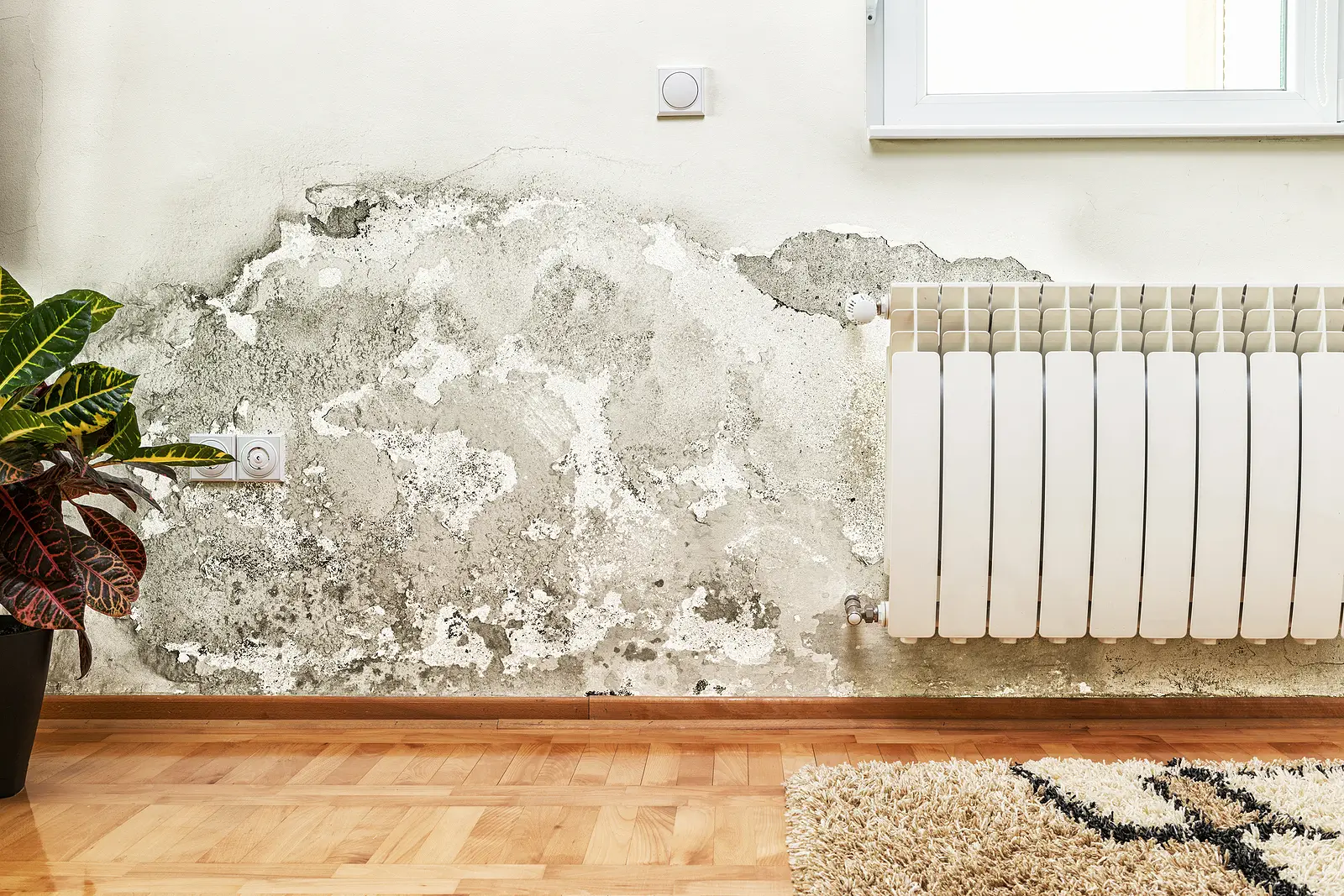
A faint musty odor in a closet or a water stain creeping across a ceiling tile rarely feels like an emergency. But under a bill moving through the South Carolina Statehouse, that small sign of moisture could carry real legal weight for landlords. House Bill 3232, dubbed the "Healthy Rental Housing Act," would rewrite the state's Residential Landlord and Tenant Act to formalize mold disclosure, prevention, and remediation duties for the first time. For owners along the coast, where salt air and subtropical humidity already make moisture control a year-round job, this proposal deserves a close read. At The Agency Group Real Estate, we manage rental homes throughout Charleston and Myrtle Beach, and we're breaking down exactly what this bill would require, why coastal properties face unique exposure, and how owners can get ahead of it.
Key Takeaways
HB 3232 would formalize mold rules by amending the Residential Landlord and Tenant Act to require written mold disclosures, moisture-prevention maintenance, and clear remediation responsibilities.
Landlords would owe written notice of any visible mold in accessible interior areas before a tenant signs a lease.
Remediation costs generally fall on the owner, unless the mold is directly caused by tenant negligence.
Coastal humidity and flood exposure make Charleston- and Horry County-area rentals especially vulnerable to compliance gaps if moisture isn't managed proactively.
South Carolina currently has no statewide mold standard, so this bill would close a long-standing legal gap and raise the stakes for unaddressed moisture issues.
What Is House Bill 3232, Exactly?
House Bill 3232 is a proposed amendment to South Carolina's landlord-tenant law, not yet enacted, that would add specific mold-related obligations for residential landlords. It has not become law, but it signals where state policy may be headed, and coastal property owners are wise to prepare rather than wait for a final vote.
Why Lawmakers Are Targeting Mold Specifically
South Carolina's humid climate, aging housing stock, and frequent storm events have made mold a recurring point of friction between tenants and landlords. Historically, the state hasn't set a formal threshold for what counts as a hazardous mold condition, leaving disputes to play out case by case. HB 3232 attempts to standardize that process with clear written rules.
Key Provisions Owners Need to Know
Mandatory Written Disclosures Before Move-In
Under the bill, landlords would need to disclose in writing whether there's any visible mold in readily accessible interior areas before a lease is signed. Silence or a verbal mention wouldn't satisfy the requirement.
What it means: Move-in inspections and documentation become part of the compliance process, not just good practice. A missed disclosure could expose an owner to a tenant's right to terminate the lease before ever moving in.
Real-world example: A rental sits vacant for several weeks over a rainy Charleston summer. A small patch of mold develops behind a dresser in a back bedroom. If that condition isn't documented and disclosed before the next tenant signs, the landlord could face a lease termination request rather than a quick, low-cost fix.
Ongoing Maintenance Duties to Prevent Moisture Buildup
The bill would require landlords to keep the premises in a condition that prevents moisture accumulation and mold growth, not just address problems after tenants report them.
What it means: Reactive maintenance culture won't hold up. Regular HVAC servicing, gutter maintenance, crawl space checks, and ventilation upkeep move from "nice to have" to a documented legal duty tied directly to habitability.
Who Pays for Remediation
Cleanup costs would fall to the landlord unless the mold results directly from the tenant's own negligence, such as failing to report a leak or blocking ventilation for an extended period.
What it means: Owners can't assume a mold problem is automatically the tenant's responsibility. Clear lease language, prompt tenant reporting requirements, and thorough documentation become the difference between an owner-funded repair and a tenant-liable one.
Temporary Relocation During Remediation
If mold materially affects a tenant's health or safety, landlords could require the tenant to vacate temporarily while remediation is completed, but only if the landlord provides a comparable dwelling or hotel room at no extra cost. Tenants would still owe regular rent during that period.
What it means: Budgeting for a possible short-term relocation cost, on top of remediation itself, should become part of an owner's contingency planning, especially for properties with a documented moisture history.
Why Coastal Charleston and Myrtle Beach Owners Face Extra Pressure
Humidity and Flood Risk Raise the Stakes
Charleston and Horry County deal with intense subtropical humidity, seasonal storms, and elevated flood risk that inland South Carolina markets simply don't face at the same scale. That combination makes moisture intrusion more frequent and more likely to go unnoticed until it becomes a visible problem. The South Carolina Department of Environmental Services notes that flooding and excess humidity are leading contributors to indoor mold growth, which is exactly the scenario HB 3232 is designed to address.
Closing a Long-Standing Legal Gap
South Carolina has historically lacked statewide thresholds for identifying or removing toxic mold in rental housing, which has left both landlords and tenants without clear guardrails. HB 3232 would change that by making unaddressed moisture and visible mold an explicit habitability issue with defined legal consequences, rather than a gray area resolved through case-by-case disputes.
Coordinated Property Management Reduces Exposure
For owners managing rentals near the water, staying ahead of moisture issues means routine inspections, fast response to tenant maintenance requests, and consistent documentation. That's precisely the kind of proactive maintenance and inspection program that helps limit liability well before a bill like this becomes law.
Frequently Asked Questions
Has House Bill 3232 passed into law yet?
Not yet. As of this writing, the bill remains in the House Judiciary Committee. It has not been enacted, so current South Carolina landlord-tenant law still governs mold-related disputes. Owners should monitor its progress and prepare proactively rather than wait for a final vote.
Does this bill apply to all rental properties in South Carolina?
The bill amends the state's Residential Landlord and Tenant Act, which generally covers residential rental units statewide, including single-family homes, condos, and multi-family properties. Coastal owners in Charleston and Horry County would feel its effects most acutely given local humidity and flood exposure.
What can owners do now to prepare, even before the bill passes?
Start documenting the condition of every unit at move-in and move-out, address moisture issues immediately rather than deferring them, and keep written records of all maintenance and tenant communication. These habits align with the bill's likely requirements and reduce liability under current law as well.
Stay Ahead of the Rules, Not Behind Them
House Bill 3232 is still working its way through the legislative process, but the direction is clear: South Carolina is moving toward formal, written accountability for mold and moisture in rental housing. Coastal owners in Charleston and Myrtle Beach have the most to gain from getting ahead of it, since humidity and storm exposure already make proactive maintenance essential. The Agency Group Real Estate helps owners across the South Carolina coast stay compliant, protect their investment, and avoid costly surprises with hands-on property management services backed by our legal compliance guarantee. Call us at 843.202.4956 or contact us today to schedule a free consultation and find out how we can help protect your rental property.