
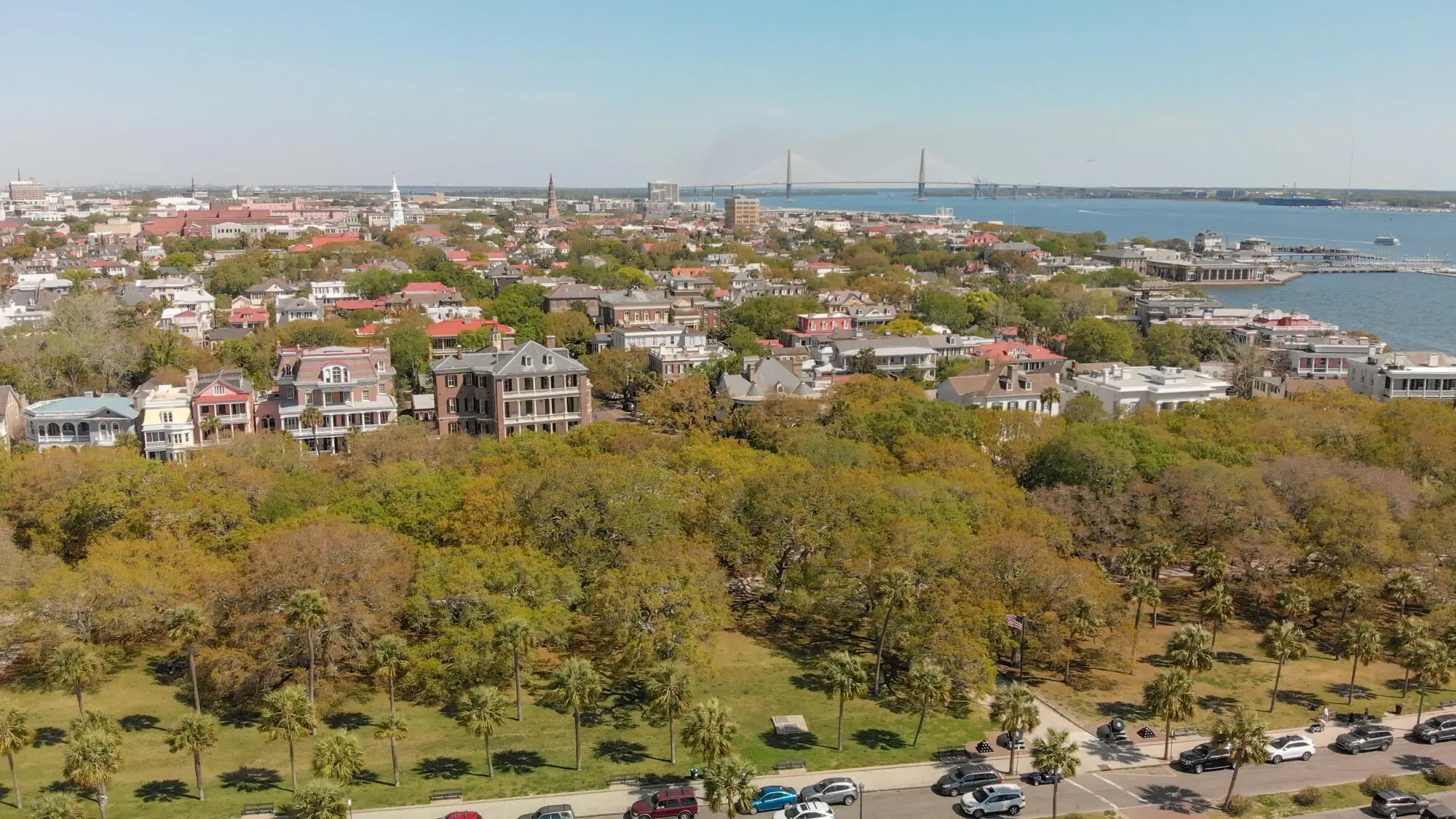
Improving tenant retention in South Carolina coastal rentals comes down to proactive maintenance for salt-air wear, clear communication, fair lease terms, and creating a comfortable, well-managed living experience that makes renters want to renew year after year.
South Carolina's coastline -- from the vibrant streets of Charleston to the resort communities of Myrtle Beach and Hilton Head Island -- continues to attract renters seeking ocean views, mild winters, and a laid-back coastal lifestyle. Yet for property owners, the real challenge isn't filling a vacancy once; it's keeping quality tenants long term.
High turnover in coastal markets can quietly drain profits through vacancy gaps, marketing costs, and maintenance resets between leases. Salt air, seasonal demand swings, and competitive rental inventory only add pressure to deliver a living experience that stands out.
Fortunately, tenant retention isn't random--it's strategic. With proactive maintenance, strong communication, and a resident-focused management approach, landlords can turn short-term renters into long-term residents.
Why Does Tenant Retention Matter in Coastal Markets?
Tenant retention is not just a convenience in coastal South Carolina markets--it is a direct driver of profitability. Every turnover comes with hard costs like cleaning, repairs, repainting, marketing, and potential vacancy gaps, but the hidden cost is lost momentum in cash flow. One extended vacancy during the off-season in places like Myrtle Beach or Charleston can quickly eat into annual returns.
Coastal markets also bring seasonal demand swings that make timing everything. While peak summer months may attract strong interest, slower winter periods can leave properties sitting longer if a tenant moves out at the wrong time. Keeping a quality tenant in place stabilizes income and reduces exposure to market fluctuations.
Simply put, retention protects both your revenue and your asset. Long-term tenants tend to treat properties better, reduce marketing expenses, and create predictable cash flow--which is exactly what smart coastal investors should be aiming for.
Set Clear Expectations From Day One
Strong retention starts before the tenant even moves in. Clear lease terms, maintenance procedures, and renewal policies eliminate confusion and prevent friction later. Transparency builds trust, and trust is one of the biggest reasons tenants choose to renew.
In coastal rentals, it is especially important to explain how salt air, humidity, and storms can impact the property. When residents understand expectations around HVAC filter changes, moisture control, and reporting small issues early, you reduce long-term damage and avoid disputes.
Finally, outline communication standards from the beginning--how to submit maintenance requests, expected response times, and emergency protocols. When tenants know what to expect, they feel secure, and security is what keeps them in place year after year.
Proactive Maintenance for Coastal Conditions
Coastal properties take more abuse than inland rentals--salt air corrodes fixtures, humidity fuels mold growth, and storms test roofs and drainage systems. Waiting for problems to appear is expensive and reactive. Proactive maintenance protects both the asset and the tenant experience.
Regular HVAC servicing, exterior inspections, and moisture checks should be scheduled before peak seasons hit. In coastal South Carolina markets like Hilton Head Island and Charleston, preventative care reduces emergency repairs during high-demand months when contractors are hardest to book.
Tenants notice when issues are handled before they become disruptions. When residents feel their home is consistently cared for, they are far more likely to renew rather than risk moving into an unknown property.
Offer Value-Driven Lease Renewals
Lease renewal season should never feel like a surprise or a confrontation. Start conversations early, provide clear timelines, and present any rent adjustments with supporting market data from coastal areas like Charleston and Hilton Head Island. Fair, well-communicated increases are far more likely to be accepted.
Consider small but meaningful renewal incentives--such as minor upgrades, professional carpet cleaning, or flexible lease terms that align with the tenant's schedule. These gestures often cost far less than a vacancy and show residents they are valued.
The goal is simple: make renewing easier than moving. When tenants see clear value in staying, they are far less likely to test the market.
FAQs
How Often Should I Inspect Coastal Rentals?
Conduct routine inspections at least twice a year to catch salt-air damage, moisture issues, and general wear before they become costly problems.
Can I Offer Incentives Without Lowering Rent?
Yes-upgrades, professional cleaning, or small appliance replacements can encourage renewals without reducing your monthly income.
Should I Adjust Lease Terms for Seasonal Renters?
For properties with peak-season demand, consider flexible lease options that align with seasonal patterns to retain tenants while maximizing occupancy.
How Do I Handle Storm-Related Damage Responsibly?
Have a clear emergency protocol, including rapid repairs and open communication, to reassure tenants and protect retention during hurricanes or severe weather.
Is Tenant Feedback Important for Retention?
Absolutely, soliciting feedback on maintenance, amenities, and communication helps you address concerns proactively and improve the overall living experience.
Can Technology Improve Tenant Retention?
Yes, online portals for payments, maintenance requests, and communication make life easier for tenants, increasing satisfaction and renewal likelihood.
How Do I Balance Rent Increases and Retention?
Use market data to justify fair increases, communicate early, and combine adjustments with value-added perks to keep tenants happy while protecting revenue.
Are Pet-Friendly Policies Effective for Coastal Rentals?
Yes, allowing pets with clear rules and deposits attracts long-term tenants who are more likely to stay in a property that accommodates their lifestyle.
Keep Tenants Longer and Protect Your Coastal Investment
High tenant turnover eats into your profits and creates stress for property owners, especially in South Carolina's coastal markets. A thoughtful retention strategy, centered on proactive maintenance, clear communication, and lease value, makes tenants more likely to stay year after year.
The Agency Group Real Estate, LLC Property Management specializes in coastal property management across South Carolina, combining local market knowledge with professional systems that help landlords achieve good tenant retention. Our team handles everything from maintenance coordination and tenant communication to renewal negotiations and market-based pricing, so your properties perform consistently, and your management workload stays light.
Get in touch to learn how expert property management can make your coastal rentals more profitable and sustainable.