
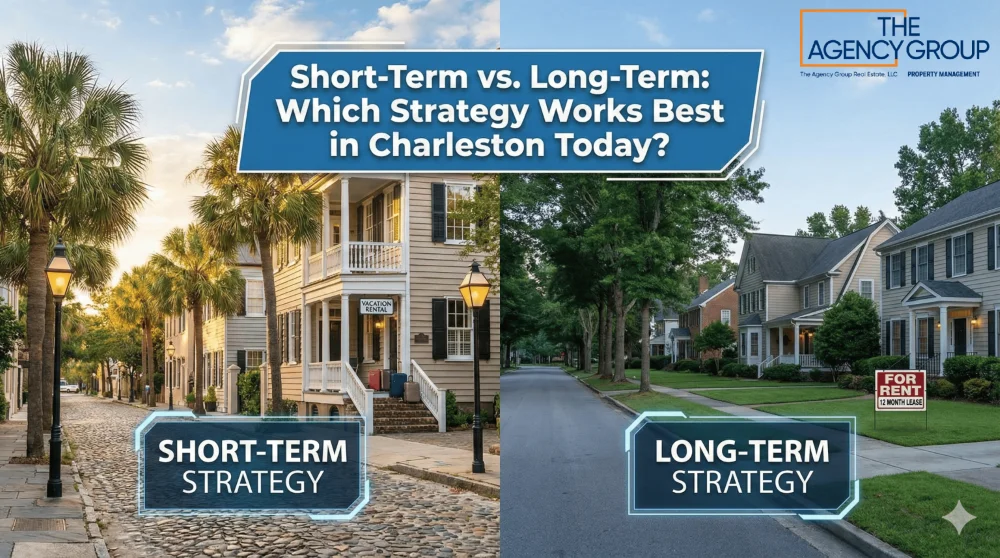
Short stays have been rising steadily for years, and not just downtown. Tourists wander far beyond the postcard backdrop. Operators talk about occupancy rates with the same enthusiasm that surfers track the next big wave. Some of that confidence is grounded in real data.
Travel demand in Charleston stays strong almost year-round. Even the slower stretches outperform what other coastal markets consider normal. But growth does not tell the whole story. Regulations shift often, which is why many owners rely on deeper guidance tied to why local expertise matters for Charleston property management decisions. Having someone who understands how each zoning update affects profitability becomes surprisingly important.
Short stays also connect loosely to seasonal patterns that echo elsewhere along the coast. Investors who study occupancy cycles sometimes compare Charleston’s winter behavior with broader trends like how seasonal tenants shape rental demand in coastal South Carolina. It gives context, especially when predicting which months will require more aggressive pricing.
Daily logistics tend to be the piece new owners underestimate. Managing cleanings, photography updates, guest messaging, access codes, and small repairs that suddenly matter a lot. This is usually where property managers step in because the pace can wear down anyone who tries to run the operation alone, especially during high-demand weekends.
The Appeal of a Long-Term Rental Strategy
Long-term rentals may not bring in the headline numbers, but there is a steady comfort to them. Many South Carolina landlords choose this path because it feels predictable and grounded. Clear lease terms. Rent arriving on a schedule. A tenant who stays long enough to actually settle in.
Charleston’s growing suburbs also influence this shift. Neighborhoods that once felt far from the action now draw steady interest from families and remote workers. These trends line up with what many describe as emerging rental hotspots in Charleston’s suburban communities, where tenants trade proximity to downtown for space, quieter streets, and easier parking.
Maintenance is easier to forecast as well. Long-term tenants tend to communicate issues more consistently, which helps owners plan repairs rather than react to them. It ties naturally into broader best practices like preventing common maintenance mistakes South Carolina landlords often make, an approach that saves money over time and reduces stress.
In periods of economic uncertainty, occupancy stability matters. Tourism-driven markets feel the first shocks when travel slows. Long-term properties, however, tend to remain occupied even during softer seasons, which is why many owners keep at least one dependable year-round rental in their portfolio.
The True Cost Conversation That Every Investor Eventually Has
Costs sit at the center of every decision. Property taxes, insurance, HOA rules, and unexpected repairs all accumulate in ways that are easy to overlook in the excitement of buying. South Carolina can be rewarding, but only when owners fully understand the real cost layers behind South Carolina rental ownership, especially those tucked into HOA fine print or seasonal maintenance cycles.
Short-term rentals bring their own list of expenses. Cleanings, furniture replacements, photography refreshes, and gaps between bookings need to be accounted for. Long-term rentals are steadier, though they also require budgeting for turnover, repainting, and occasional upgrades.
This is another place where property managers help because they track these patterns across many homes rather than just one. They know which expenses are predictable and which ones sneak up on owners at the worst possible time.
A Market That Isn’t Just About the Beach Anymore

Charleston will always be tied to the water and historic charm, but the surrounding region is carrying more weight each year. Some investors focus on quieter communities or sustainable upgrades because they attract tenants who stay longer. These choices align with growing interest in eco-friendly rental upgrades that appeal to South Carolina tenants looking to reduce monthly bills.
Investors also compare markets more than before. Some analyze returns side-by-side when deciding where to expand next. This is why conversations increasingly mention choosing between Charleston and Myrtle Beach for a profitable South Carolina rental investment, especially when building a balanced portfolio with different tenant profiles and risk levels.
So Which Strategy Works Best Right Now
The honest answer. It depends on your goals and your patience level.
Short-term rentals work best for owners who enjoy dynamic pricing, high turnover, tourism-driven income, and a calendar that changes almost every week. They thrive with strong systems in place, ideally supported by a property manager who can coordinate guests and operations smoothly. If you prefer flexibility and the idea of maximizing revenue during peak demand, short-term rentals in Charleston can be incredibly rewarding.
Long-term rentals fit owners who prefer stability, predictable rent, and a relationship-based approach to leasing. They tend to receive quieter months, fewer sudden repairs, and tenants who treat the home more like their own. It aligns with anyone wanting to build equity and consistency without the moving parts of hospitality-style management.
A balanced approach even exists for some investors. They hold one property for tourism seasons and another tucked into a quiet suburb for consistent leases. The mix provides income variety and reduces risk, especially when paired with good financial planning.
In either case, property managers remain a helpful partner because they translate Charleston’s fast-changing environment into practical decisions that keep properties running smoothly. It is not about choosing a side. It is about choosing a system that works for your long-term goals.
If you are exploring your next step in the Charleston market and need guidance, we are here to help. The Agency Group works with property owners across the region, helping them match the right strategy to the right neighborhood and the right tenants. Charleston’s market rewards good planning. We are ready when you are.
FAQs
1. What makes short-term rentals so popular in Charleston right now
A: The city’s strong tourism cycle, flexible pricing potential, and consistent visitor demand keep investor interest high, especially in areas with strong regulations and good management support.
2. Why do some South Carolina landlords prefer long-term tenants
A: Stability. Predictable rent, lower turnover, clearer leases, and fewer disruptions over time appeal to owners who want dependable income rather than fluctuating nightly rates.
3. Are suburbs becoming more attractive for Charleston rentals
A: Yes. More renters want space, quieter streets, and good schools, which is why more investors are paying attention to the growing rental hotspots outside the peninsula.
4. What costs should investors pay attention to before choosing a strategy
A: Expenses like HOA fees, property taxes, seasonal maintenance, and cleaning costs all influence long and short-term profitability. The right breakdown depends on the property.
5. Do property managers make a difference in rental strategy success
A: They do. Managers keep up with regulations, handle tenant or guest communication, manage turnovers, and help owners avoid problems that reduce long-term returns.