
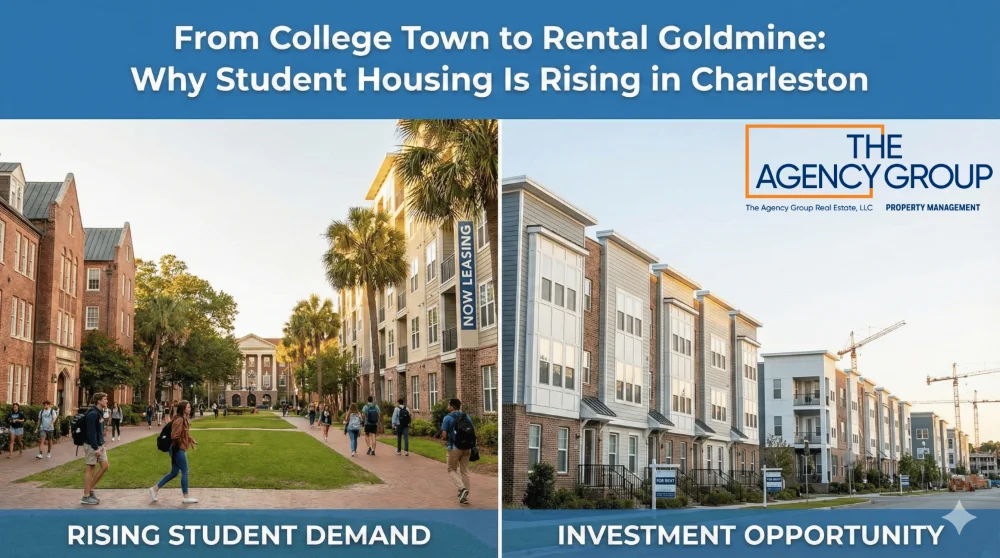
Charleston has always had a certain pull. Tourists feel it first. Retirees eventually feel it too. Investors usually arrive somewhere in the middle, scanning neighborhoods and trying to understand why some corners of the city shift faster than others. And lately, a new group has been shaping the market in ways that even long-time owners are starting to notice. Students.
Not just students passing through for a semester or two. Entire waves entering a housing landscape that is already tight, competitive, and at times a little unpredictable. This shift has quietly turned student housing Charleston conversations into something a lot more serious.
A Growing Student Population That Doesn’t Slow Down
Charleston is home to several major schools. The College of Charleston, Charleston Southern University, The Citadel, MUSC. Each one attracts a slightly different type of student, yet all contribute to the same strain on local rentals.
What surprises investors is how steady that demand stays. New programs open. Graduate students stay longer. Returning students start searching for housing months earlier than expected. And because these campuses sit near residential neighborhoods, the rental impact spreads broadly.
This is where investors begin asking questions about how South Carolina rental costs affect long-term investment planning, especially when comparing campus-adjacent neighborhoods with downtown or suburban areas.
The Kind of Rental Demand Investors Usually Wish For
Rental demand connected to students behaves differently. It does not depend on tourism or seasonal industries. Academic calendars create a predictable flow of inquiries long before summer ends. Investors who prioritize consistent occupancy often appreciate this stability.
Groups of roommates help reduce vacancy risk even further. They tend to sign full-year leases, split rent evenly, and renew once they settle into a routine. These patterns make student rentals a compelling option within broader South Carolina investment properties portfolios.
The fast pace, however, can be tiring. Turnovers cluster around the same two or three weeks every year. Move-in days include every small question imaginable. Property managers often step in because they already know how to streamline this annual cycle and keep homes operating without the chaos.
Why Charleston Feels Different From Other College Markets
Plenty of cities host universities. Not many combine a historic downtown, a walkable layout, beaches within reach, and an active nightlife scene that appeals to students and young professionals simultaneously.
This mix keeps demand high even when housing supply expands. Students like convenience. They like the ability to bike to class or grab groceries within minutes. They also like neighborhoods that feel lively but not overwhelming. That is why interest continues to spill into surrounding communities, aligning with broader patterns seen in emerging rental hotspots around Charleston’s growing suburbs.
Some students prefer calm streets, especially graduate and medical students who value quiet more than a nightlife district. This spreads demand into areas that once saw very little student interest.
The Financial Logic Behind Student Rentals
Investors tend to run the numbers on student housing quickly. High demand. Predictable cycles. Strong rent per square foot. Few vacancy gaps. Sharp renewal patterns. All good signs.
Students rarely require furnished units, which means upfront costs remain lower than many expected. Functionality matters more than luxury. Clean flooring, reliable HVAC, secure doors, decent lighting. The basics create more value here than fancy features.
Of course, no rental strategy is perfect. Owners need a plan for handling repairs, enforcing rules, and navigating turnover weekends. Property managers help tighten these systems and often prevent issues from turning into expensive lessons.
The Human Side That Makes Student Housing Work

Beyond the numbers, student rentals work because the tenants tend to form routines quickly. Once they settle into a home they like, they stay. They tell their friends. Sometimes younger siblings take over a lease later. Word-of-mouth demand grows quietly but reliably.
This is also where good communication matters. Students respond well to clarity. Expectations written plainly. Processes that make sense. Leases that outline responsibilities without overwhelming anyone. When all of that functions smoothly, student housing becomes one of the more predictable rental niches in Charleston.
Should You Consider Student Housing in Charleston
If you value steady occupancy, this segment is worth exploring. Student rentals complement multi-year plans, and they help balance portfolios that also include vacation or traditional long-term homes. They remain resilient even when economic shifts affect other parts of the market.
Investors who want to compare potential markets sometimes look at trends similar to how coastal South Carolina rental demand shifts between cities like Charleston and Myrtle Beach, but student housing stands on its own as one of Charleston’s strongest long-term opportunities.
Charleston’s student population will not shrink anytime soon. Enrollment grows steadily. The city’s lifestyle appeal stays strong. And demand continues pushing outward into new neighborhoods.
If you are considering adding student rentals to your strategy, we would be glad to help you evaluate the best neighborhoods, property types, and long-term approaches. The Agency Group works closely with owners across the Charleston area, guiding them toward investments that support sustainable growth and dependable returns.
FAQs
1. Why is student housing growing so quickly in Charleston
A: Enrollment growth and limited on-campus space create strong rental demand every year.
2. Do student rentals offer reliable income
A: Yes. Academic calendars support consistent occupancy and reduce long vacancy periods.
3. Are students renting beyond the downtown core now
A: They are. Growing interest in quieter suburban pockets reflects broader changes in how students choose housing.
4. Are student rentals high maintenance
A: They can be, but good communication and proactive management reduce most issues.
5. Are student rentals strong South Carolina investment properties
A: For many investors, yes. Predictable demand and solid returns make them appealing long-term assets.